Asia’s coal market is being shaped by two opposing trends. On one hand, the rapid development of nuclear and renewable energy is expected to place increasing pressure on coal demand over the longer term. On the other, sustained growth in electricity consumption continues to support immediate requirements for the fuel. China’s accelerating energy diversification and India’s continued dependence on domestic coal production illustrate the different paths emerging across the region, with important implications for international coal trade.
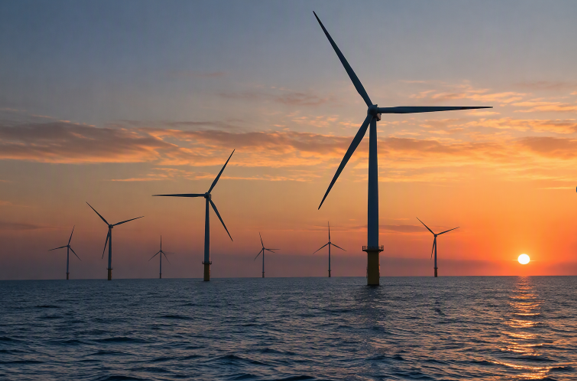
The scale of investment in alternative energy sources across Asia suggests that coal could face significant structural challenges in the years ahead. According to Global Energy Monitor, the region represents 73 per cent of global nuclear capacity currently under construction, equivalent to 66 GW. Furthermore, Asian countries account for 1,364 GW of planned solar and wind capacity, representing approximately 78 per cent of the worldwide project pipeline.
The growing contribution of these energy sources could gradually reduce the role of coal-fired power generation. Solar and wind are increasingly capable of supplying substantial electricity volumes when weather conditions are favourable, while nuclear power provides a consistent source of baseload generation. The combination of these technologies is therefore likely to reduce the need for coal-fired plants to operate at high utilisation rates, potentially limiting consumption even as overall electricity requirements continue to expand.
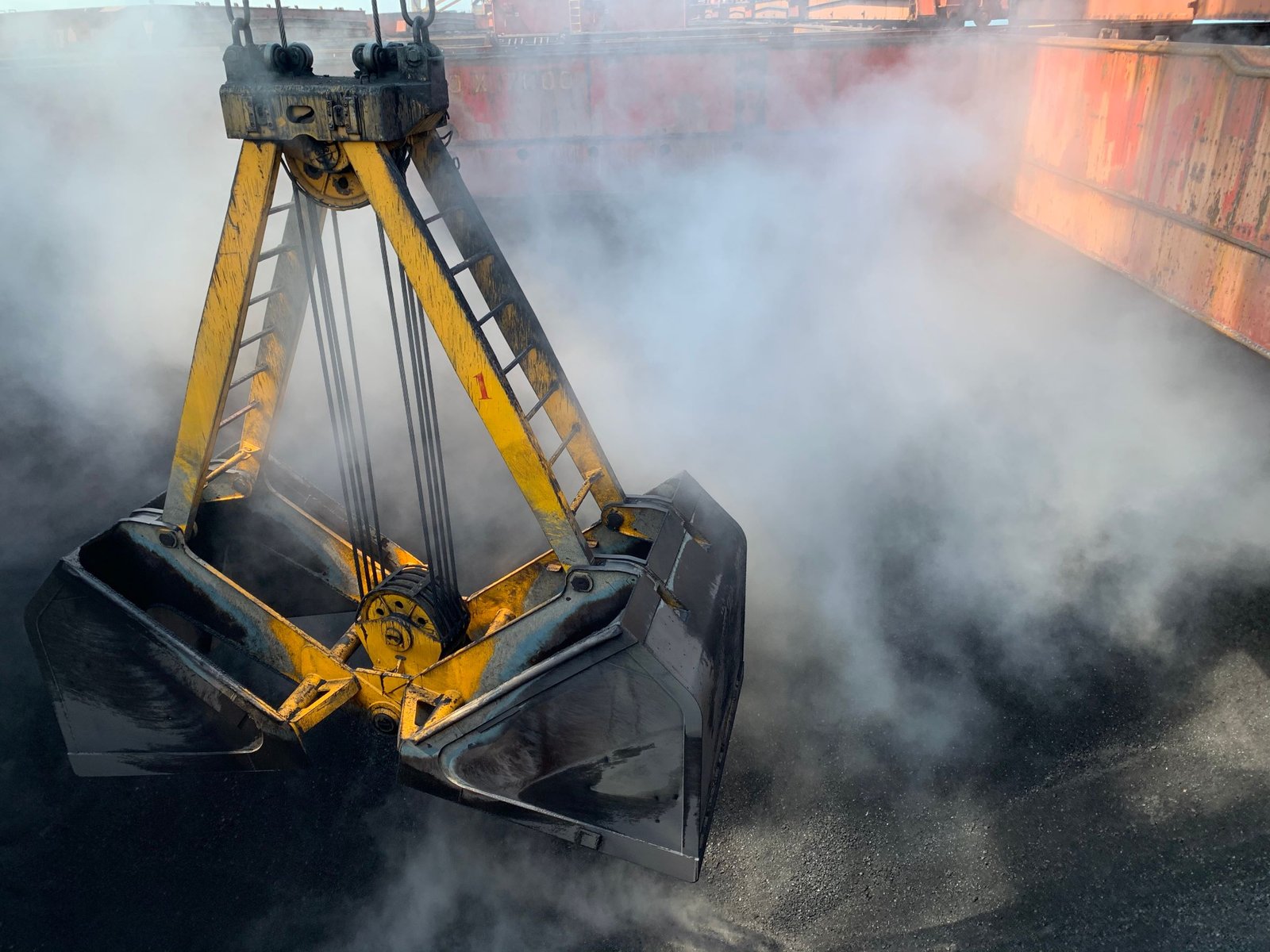
Despite these longer-term developments, seaborne coal demand has maintained some resilience in recent months. Global trade volumes recovered in October, reaching their highest level since June, largely driven by stronger imports from India, Taiwan and Vietnam, which increased by 13, 5 and 15 per cent year-on-year, respectively. However, total global seaborne trade was still 5 per cent below the corresponding period last year, reflecting considerable differences in demand across individual markets.
China remains one of the most important factors influencing the future direction of regional coal consumption. The country currently has 43 GW of nuclear capacity under construction, in addition to 236 GW of utility-scale solar and 213 GW of wind projects. At the same time, a further 204 GW of coal-fired capacity is being developed. Nevertheless, the substantial expansion of alternative energy generation could increasingly limit the utilisation of coal-fired power stations, gradually reducing the country’s need for imported coal.
India presents a markedly different picture, with its transition away from coal expected to progress at a slower pace. Although the country has 6.6 GW of nuclear capacity under construction and significant investment in solar and wind generation, more than 40 GW of additional coal capacity is also being developed. Against a backdrop of strong electricity demand growth, coal is therefore expected to retain a fundamental role in India’s energy supply for the foreseeable future.
Recent developments in the domestic power sector reinforce this outlook. India has increased coal deliveries to power stations to a record 2.6 Mn T per day, as concerns over potential electricity shortages intensify. Figures from the Central Electricity Authority indicate that 96 coal-fired power plants were operating with critically low stockpiles, equivalent to approximately three days of consumption, compared with 60 facilities in mid-September. The deterioration in inventory levels has been driven by stronger industrial demand, rising electricity consumption and lower hydropower output following reduced rainfall. Peak daily electricity demand has also been running 45-50 GW above levels recorded a year earlier, further tightening the country’s supply position.
To address these pressures, the government is increasing domestic coal production and deliveries to power plants, with the objective of rebuilding stockpiles and minimising the risk of supply disruptions. According to the World Bank, Indian coal production is projected to reach a new high of 1,090 Mn T in 2026, representing an annual increase of 1.2 per cent, or approximately 13 Mn T. Domestic coal consumption is expected to grow at a faster pace, rising by 4.2 per cent to 1,350 Mn T. This divergence reflects the continued expansion of electricity requirements and industrial activity, with higher domestic production expected to cover a larger share of incremental demand and help limit reliance on overseas suppliers.
Other Asian economies are moving towards a different energy model. Japan and South Korea, for instance, are not currently developing additional coal-fired power plants, while continuing to expand their nuclear generation capacity. Although both countries remain significant LNG importers, a greater contribution from nuclear power could also reduce the requirement for gas-fired electricity generation. Similar developments are taking place in Turkey, Bangladesh and Egypt, where nuclear investment is increasingly viewed as a means of strengthening energy security and reducing exposure to imported fuels.
Overall, Asia’s evolving energy mix is creating a more fragmented outlook for the coal market. The expansion of nuclear and renewable capacity is likely to exert increasing pressure on coal-fired generation and seaborne import demand over the longer term. However, India’s continued dependence on coal, combined with robust growth in electricity consumption, provides an important source of support for near-term demand. With both domestic production and consumption expected to reach record levels, coal will remain a key component of India’s energy system, even as the broader regional market faces growing challenges from the transition towards alternative energy sources.