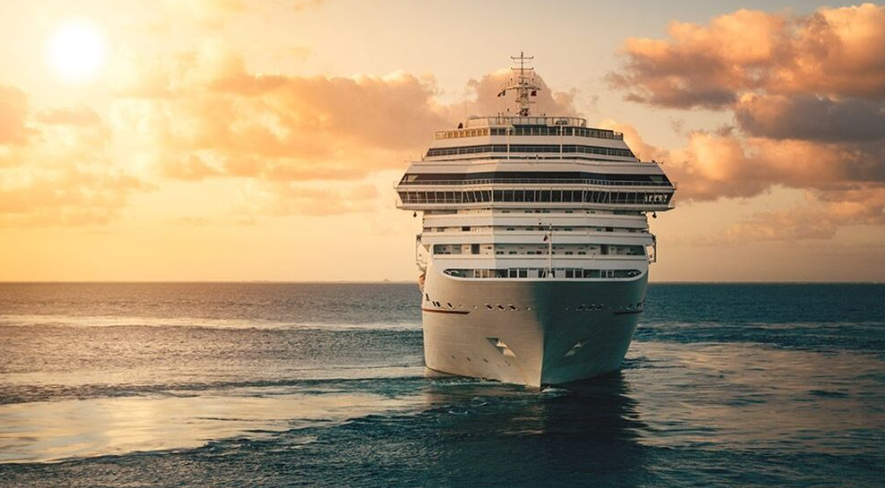
The cruise industry stands today as one of the most dynamic segments of the global tourism sector. In 2025, worldwide cruise passengers reached approximately 37 million, marking a full consolidation of the post-pandemic recovery following Covid-19 and bringing the industry back to record levels. In Italy, cruise traffic continued to grow to around 15 million passengers handled across ports in 2025, confirming the country’s role as a key cruise hub in the Mediterranean.
To assess the long-term growth potential of the sector, a key indicator is the cruise penetration rate, defined as the share of the population that chooses a cruise holiday compared to the total addressable travel market. This is widely used as a measure of market maturity. In Italy, for instance, this rate is still around 2%, indicating a relatively low level of penetration and therefore a significant potential for further demand growth.
However, growth is not automatic: market penetration depends on several structural factors, including disposable income, travel behaviour, port infrastructure development, and operational cost dynamics. Among these, energy-related costs and marine fuel remain a relevant variable in route planning and overall profitability, especially in a context of volatile global freight and energy markets.
As highlighted during the Italian Cruise Day in October 2025, cruise traffic in Italy is expected to grow further to around 15.4 million passengers in 2026, with a longer term trajectory potentially exceeding 20 million passengers between 2033 and 2034, assuming a stable growth scenario.
On the supply side, expansion is strongly supported by the global fleet development cycle. Major cruise operators, including Carnival Corporation & plc, Royal Caribbean Group, MSC Cruises, Norwegian Cruise Line Holdings and Disney Cruise Line, currently hold a combined orderbook of dozens of new vessels, with an estimated value of around 80 billion dollars.
In addition, during the Seatrade Cruise Global in Miami, the industry’s main international event, the outlook for structural growth was further reinforced. The discussion highlighted resilient global demand, a strong orderbook of newbuilds, and increasing focus on sustainability and infrastructure readiness as key pillars supporting the sector’s long term expansion.
At the same time, the industry operates within a complex and evolving geopolitical environment. International tensions, uncertainties around key maritime routes, and fluctuations in global tourism flows may impact both demand and operational efficiency, influencing itineraries, costs, and capacity deployment.
Overall, the combination of low penetration levels in several key markets, a strong orderbook of new vessels, and the continued globalisation of tourism suggests that the cruise sector still has further growth potential. The future trajectory will depend on the balance between demand growth, infrastructure capacity, cost dynamics, and overall geopolitical stability.