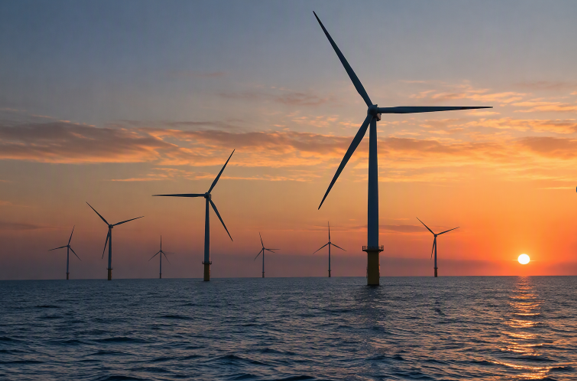
Offshore wind is rapidly becoming one of the most dynamic segments of the global energy market. According to the Global Wind Energy Council (GWEC), worldwide installed offshore wind capacity reached 92.5 GW by the end of 2025, with 9.3 GW added during the year. Beyond renewable power generation, this growth is creating significant opportunities across the maritime sector, from manufacturing and logistics to offshore operations and infrastructure development.
Offshore wind turbines can be installed on fixed foundations or mounted on floating platforms, a technology particularly relevant for the deep-water environments found across much of the Mediterranean. While floating wind opens access to stronger wind resources farther from shore, it also requires substantial investment and sophisticated installation, maintenance and support capabilities.
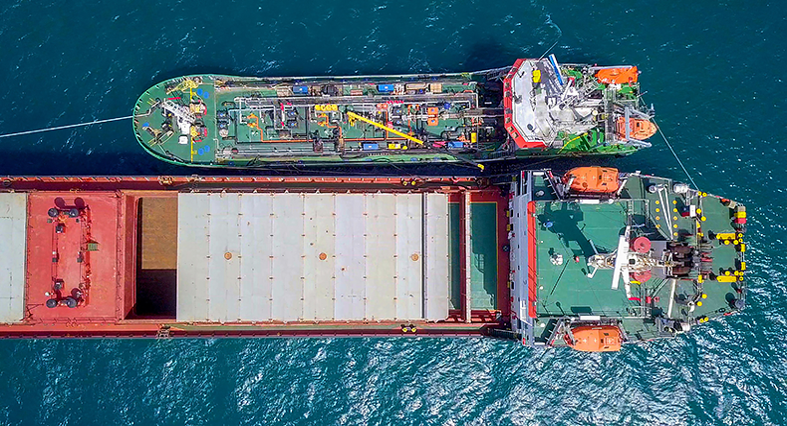
The industry relies on a broad supply chain. Installation vessels, crew transfer vessels, cable-laying ships, shipyards, steel fabricators, and manufacturers of mooring systems all play a role in bringing projects from concept to operation. Ports are equally important, providing the quays, storage areas and water depths needed to assemble and handle increasingly large components. For maritime nations with established industrial expertise, offshore wind represents an opportunity to expand existing capabilities into a growing market.
European industrial policy is also beginning to shape the sector’s future. In March 2026, the European Commission presented its Industrial Maritime Strategy together with the proposed Industrial Accelerator Act, initiatives aimed at strengthening Europe’s maritime competitiveness and manufacturing base. If effectively implemented, these measures could create additional opportunities for companies active in the offshore wind value chain.
For Italy, however, the gap between potential and reality remains substantial. According to the IEA Wind TCP country report, the country had only 30 MW of operational offshore wind capacity at the end of 2025, compared with a national target of 2.1 GW by 2030. Among the projects under development are 7Seas Med, planned offshore Sicily with a capacity of 252 MW, and Barium Bay, planned offshore Apulia with a capacity of 1,110 MW. These projects are still in the development phase and should not be confused with operational wind farms.
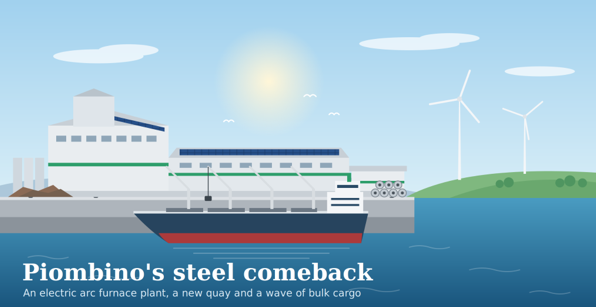
Ports are expected to play a central role in this transition. In July 2025, Augusta and Taranto were designated as strategic hubs for the offshore wind supply chain, supported by €78.3 million of planned investment for infrastructure upgrades, including quay improvements and dredging works. The initiative could strengthen Italy’s ability to support component manufacturing, assembly activities and offshore services.
Challenges nevertheless remain. High capital costs, lengthy permitting procedures and uncertainty around support mechanisms continue to slow investment decisions. Italy’s ability to transform announced projects into operational assets will determine not only the pace of offshore wind development, but also the extent to which ports, shipyards and maritime service providers can benefit from this emerging industrial opportunity.