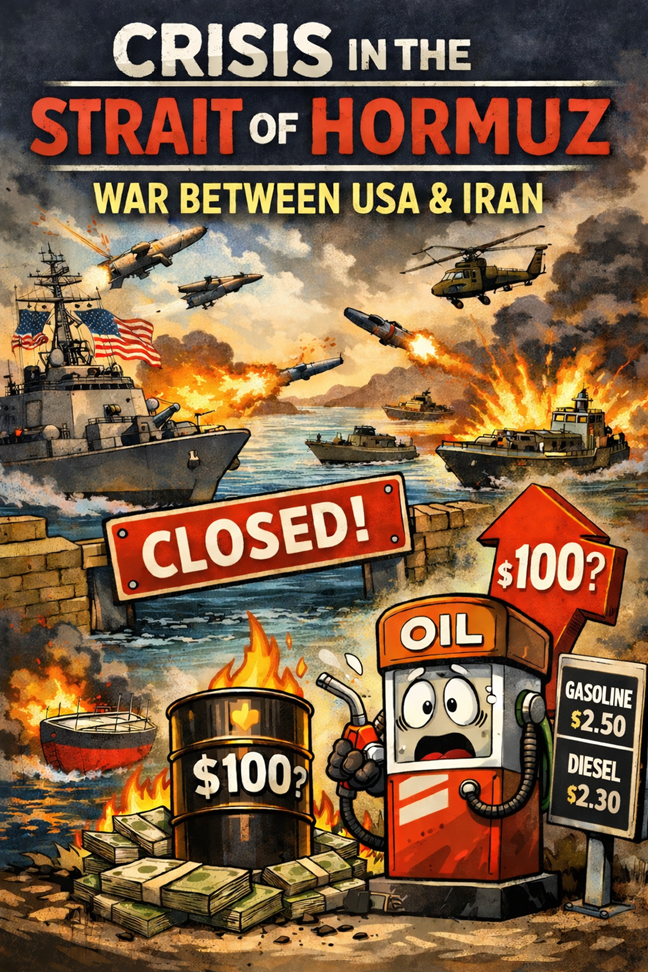
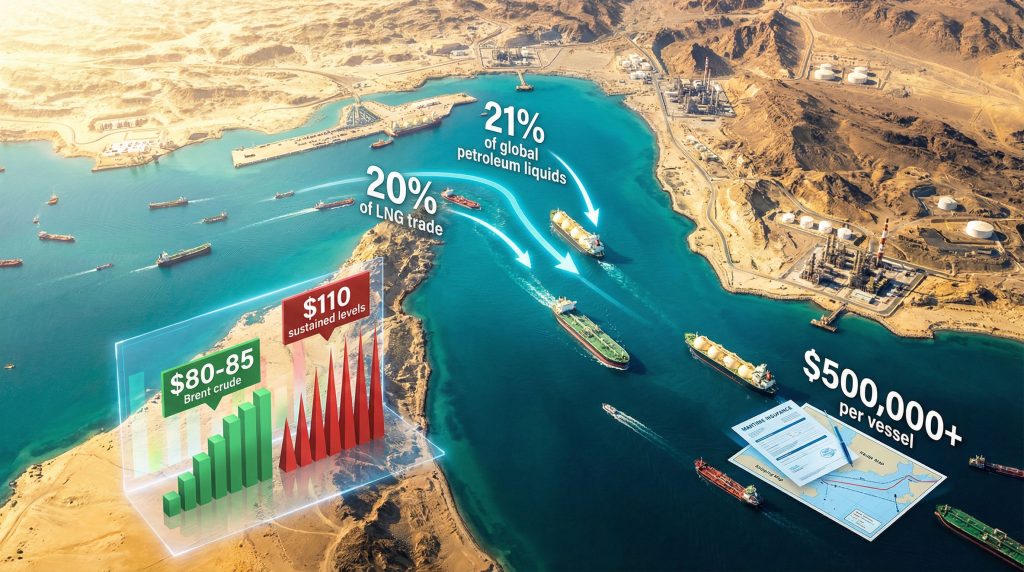
The ongoing tensions in the Middle East are no longer just a regional issue, they’re rapidly becoming a global economic shock. Oil prices have surged past the USD 100-mark, reigniting inflation fears and bringing back an uncomfortable word for economists: stagflation.
For countries already walking a tightrope, like the UK and Japan, the impact is immediate. The UK is grappling with sluggish growth, soaring energy costs, and very limited room to intervene. Policymakers are once again debating measures such as freezing fuel duty or tweaking energy price caps, temporary fixes in what is becoming a structural problem.
Japan, on the other hand, finds itself slightly better positioned but far from immune. With a heavy reliance on Middle Eastern crude, Tokyo has moved quickly, releasing strategic reserves and subsidising fuel prices to shield consumers. Still, the exposure remains significant, and the situation is far from stable.
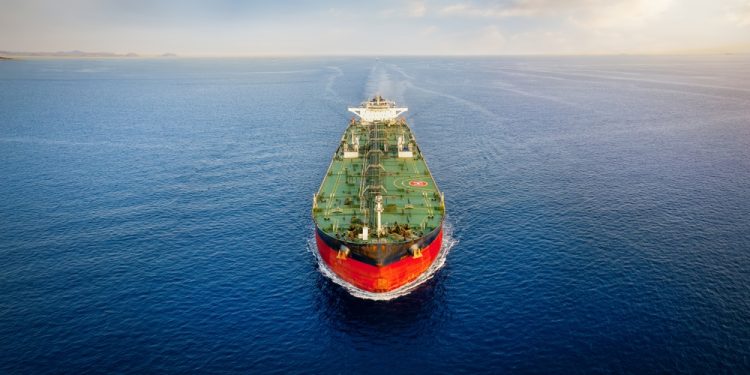
Meanwhile, efforts by the United States to stabilise the region through a naval coalition have struggled to gain traction. As Iran intensifies attacks on commercial shipping, maritime flows have collapsed to less than 10% of normal levels. The result? Analysts are now bracing for months of elevated oil prices, in what could become one of the most severe supply shocks in modern energy markets.
But the ripple effects don’t stop at oil.
India, for instance, is scrambling to secure fertiliser supplies ahead of its crucial kharif agricultural season. Traditionally, around 70% of its urea imports pass through Middle Eastern routes, routes that are now increasingly unreliable. In response, New Delhi is rapidly diversifying, turning to alternative suppliers like Russia, China, Morocco, and Belarus.
At the same time, the country is facing a growing LPG crisis. With the Strait of Hormuz effectively disrupted, up to 90% of supply is at risk. The consequences are already visible: delays, price spikes, and even rationing. Authorities have stepped in with emergency measures, including restricting LPG cylinder refills for households with piped gas and pausing new connections altogether.
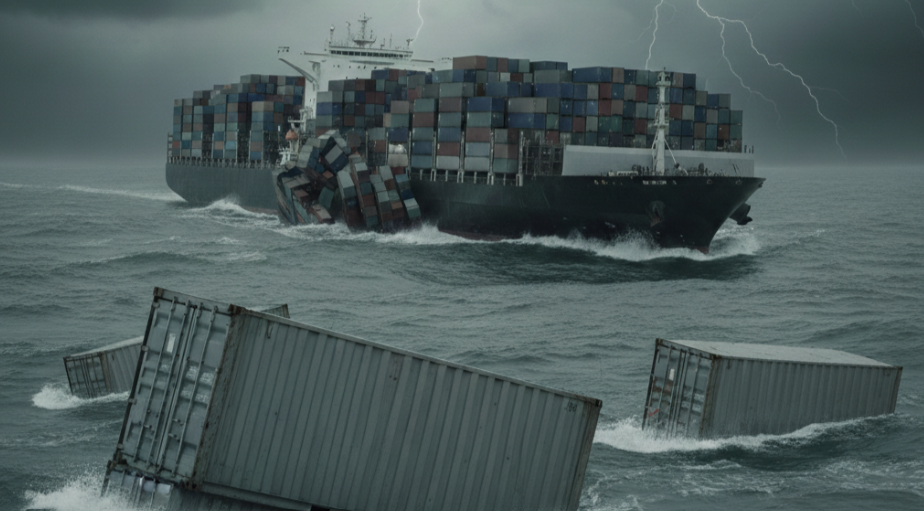
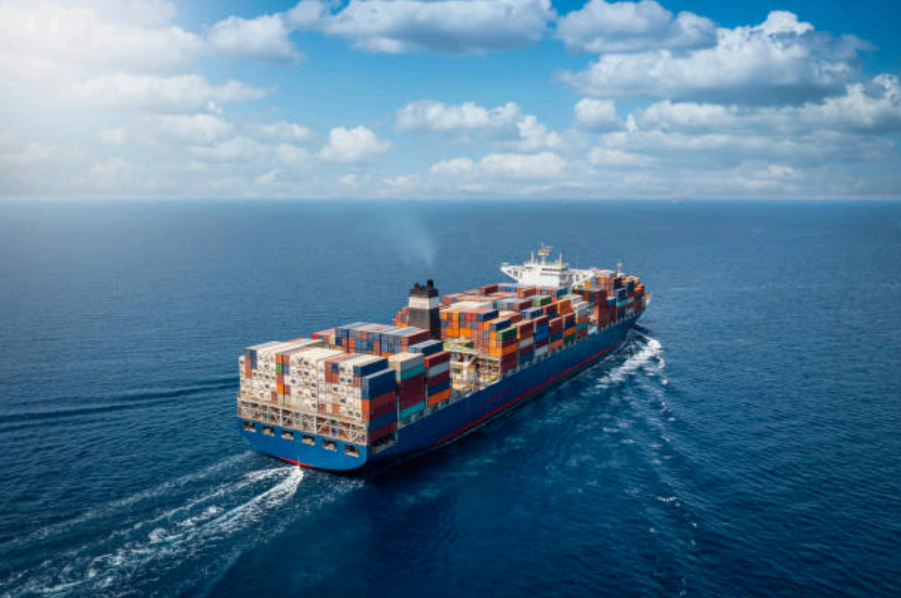
On a broader scale, global supply chains are once again under pressure. Container markets are reacting fast, with spot rates on key routes, especially Asia to the Middle East and Europe,skyrocketing, in some cases tripling within weeks. Adding to the uncertainty are ongoing investigations by the Trump administration into shipping overcapacity and the possibility of new tariffs.
All of this points to one clear conclusion: volatility is here to stay. With no resolution to the conflict in sight and policy risks continuing to build, global market, especially in energy and shipping,are entering a prolonged period of instability.