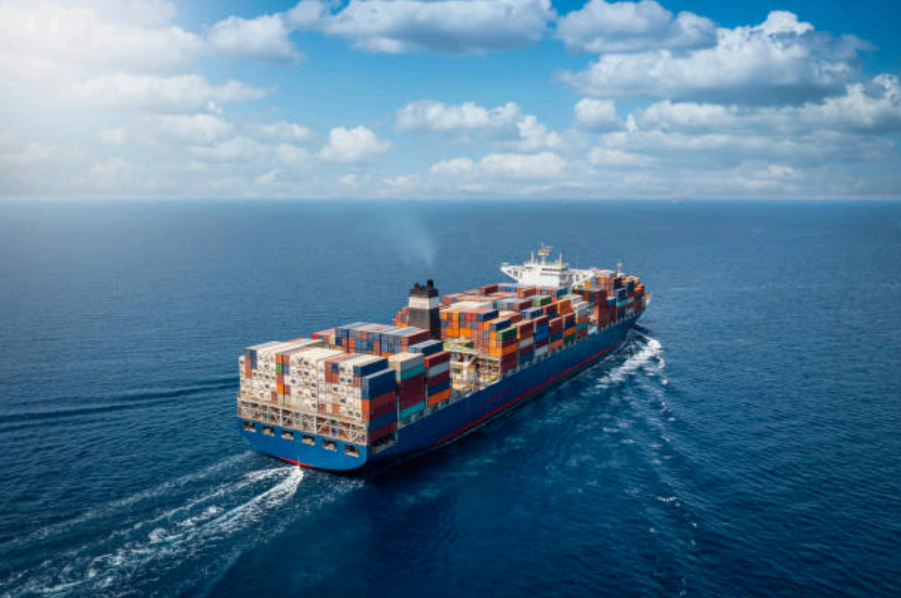
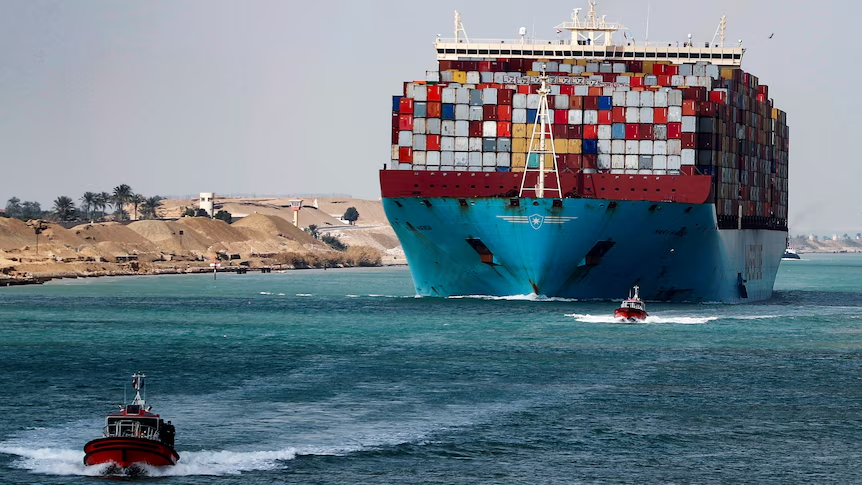
On November 7, 2025, a “ghost” reappeared on the global shipping radar. The CMA CGM Benjamin Franklin, a 17,859 TEU behemoth, reactivated its Automatic Identification System (AIS) transponder near Socotra Island, after a six days black out, signaling the completion of a voyage that many in the industry thought impossible just months ago. For the first time in nearly two years, an ultra-large container vessel, employed in a Asia-North Europe loop had successfully navigated the Bab el-Mandeb Strait.The considerations on the events are multiples
The economics side
For the global shipping industry, the return to Suez is a double-edged sword. On one hand, carriers are desperate to reduce costs. The SCA has introduced aggressive incentives, including a 15% toll discount for large container ships, to incentivize traffic. Cutting the 10-day detour around Africa saves millions in fuel, but carriers will also face higher insurance costs. On the other hand, a full-scale reopening poses a massive commercial risk. The current stability of freight rates is largely artificial, supported by the fact that the Cape of Good Hope route absorbs excess capacity. If the Red Sea fully reopens around 10% of the global fleet currently tied up in longer voyages will flood back into the market putting under severe pressure freight rates.
Operational mayhem
Carriers have carefully planned their networks with the Cape of Good Hope routing in mind. This includes vessel deployments, schedules, berthing windows, feeders that all needs to be replanned and adjusted. If all carriers decide at the same moment that transiting the Red Sea is safe again, this will create major operational shocks, vessel bunching, berthing delayed, delayed empty container repositioning. Compounding the issue is the strain on inland logistics. Limited trucking capacity and insufficient warehousing to accommodate out-of-sync arrivals will further exacerbate the problem. Other carriers have a more safe approach, believe that safety conditions are not there yet, aligning with the opinion of shipping analysts.
Geopolitical Anomaly and Cohesion Risk:
Other CMA CGM vessels have since crossed the Suez Canal (Jules Vernes Northbound, and Zheng He Southbound), these high-profile transits of large container vessels are viewed as political “test the water” operations rather than simple commercial decisions. The success of these transits suggests the presence of selective security guarantees or a tacit understanding between France and regional actors. This national approach, protected by the French Navy and conducted outside EU coordination, raises diplomatic concerns and damages other European countries. Such isolated actions risk undermining European Union cohesion by excluding other member states from the economic benefit of guaranteed, shorter access to the vital Asia-Europe shortcut.
Conclusion: The First Domino?
For now, the industry remains divided. While CMA CGM aggressively tests the waters, other giants like Maersk and Hapag-Lloyd (the Gemini Cooperation) are maintaining their Cape routings, prioritizing reliability over speed. The Benjamin Franklin has proven that the door is unlocked, but it remains to be seen who else dares to walk through it. The shipping world is currently balancing on a knife-edge: between the physical danger of a lingering war and the commercial danger of a restored peace.