March 2026 — Eastern Mediterranean / Red Sea
Israel’s maritime trade is navigating one of the most difficult periods in recent history, as escalating tensions across the Middle East disrupt commercial shipping routes and reshape global logistics. The country’s main ports, Port of Haifa and Port of Ashdod on the Mediterranean coast, along with Port of Eilat on the Red Sea, remain operational, but the waters surrounding them have become increasingly uncertain for international merchant vessels.
The most significant challenges originate in the Red Sea, where attacks and threats against ships with perceived links to Israel have created a climate of risk that shipping companies are reluctant to face. The involvement of the Houthi movement has effectively discouraged vessels from transiting through one of the world’s most strategic maritime corridors. As a result, traffic through the southern route to Eilat has declined sharply, leaving the port facing a severe downturn in activity.
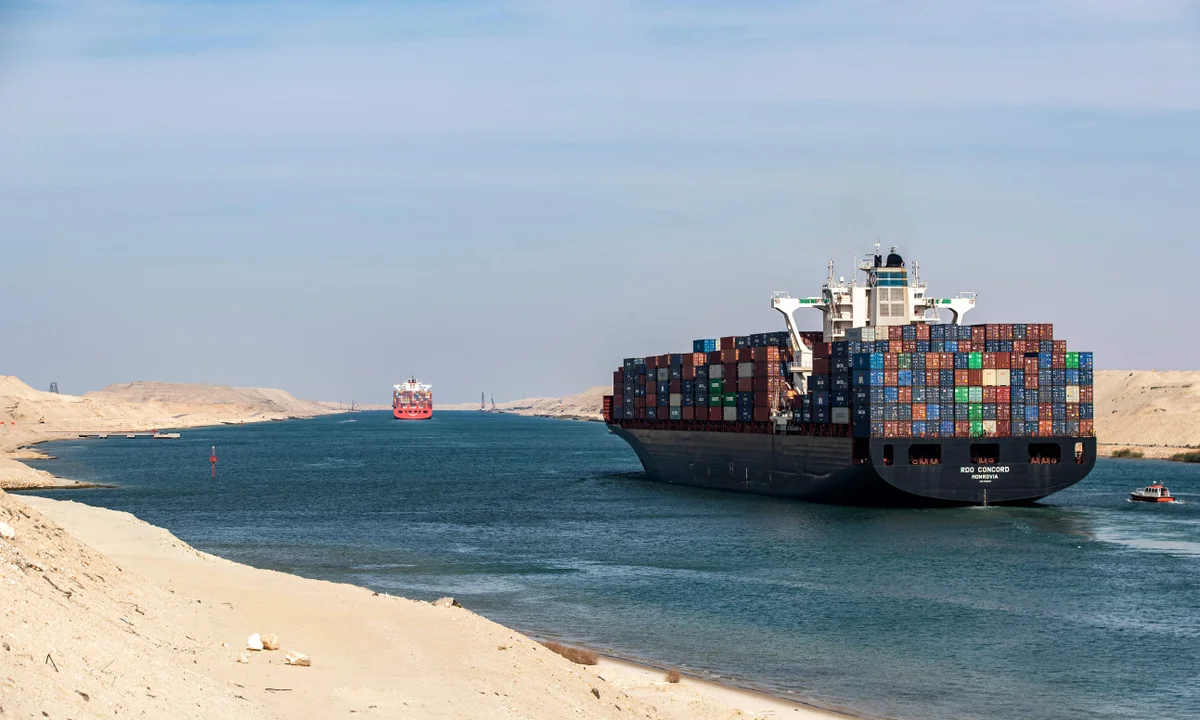
The impact extends well beyond Israel’s immediate vicinity. Many global shipping companies have chosen to avoid the Red Sea altogether, diverting vessels away from the Suez Canal and instead routing them around the Cape of Good Hope at the southern tip of Africa. This alternative route significantly lengthens transit times between Asia and Europe, increasing fuel consumption, operational costs, and pressure on already strained supply chains.
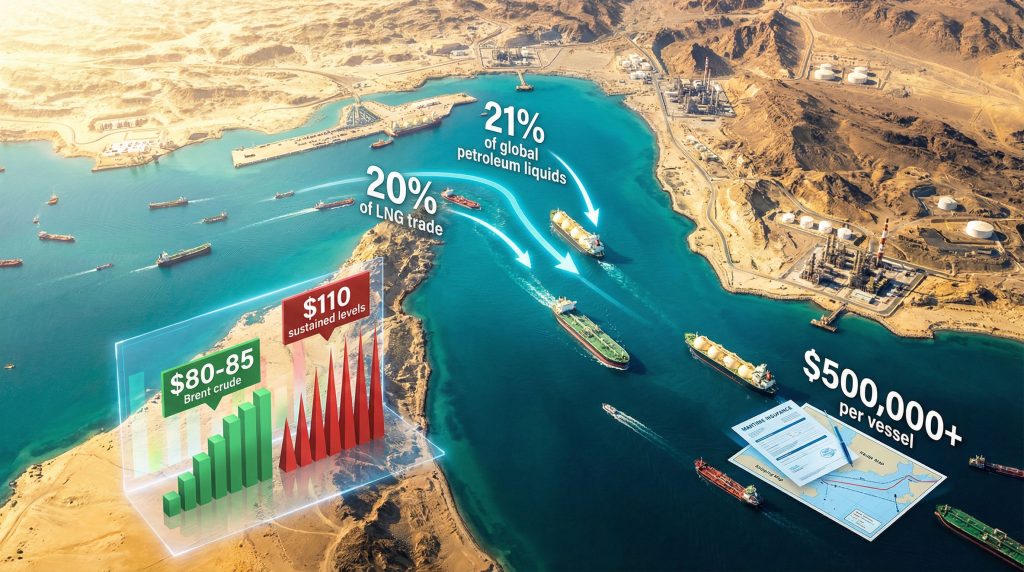
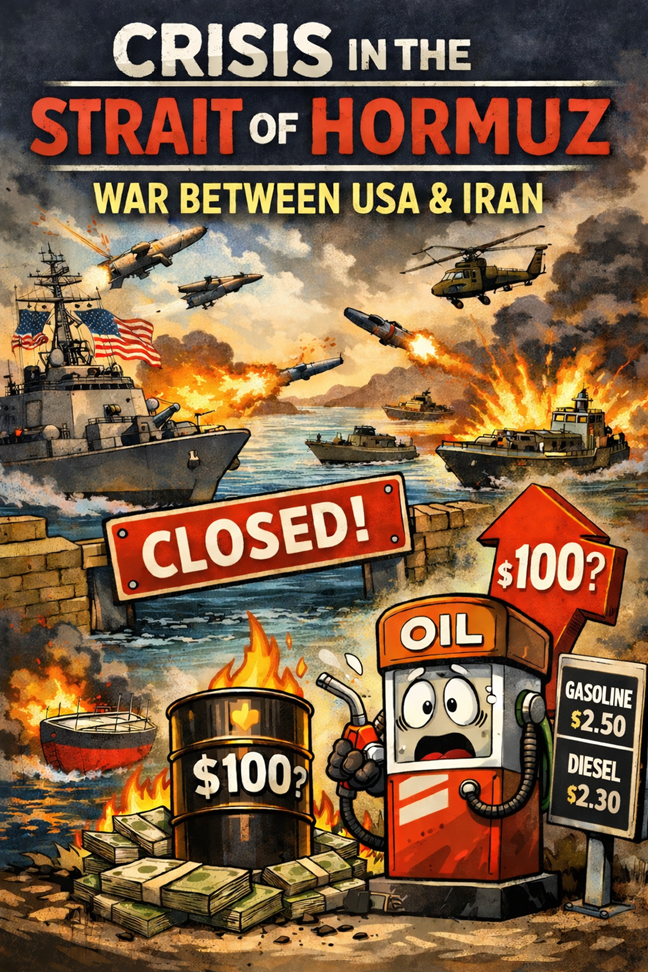
At the same time, broader regional tensions involving Iran have intensified risks in the Persian Gulf, another critical artery for global energy and cargo flows. Concerns over vessel safety in the Strait of Hormuz have prompted some shipping operators to suspend or limit their operations in the area, further complicating international trade routes connected to Israel. Maritime authorities, including the International Maritime Organization, have raised alarms about the safety of seafarers, many of whom remain aboard vessels navigating high-risk zones.
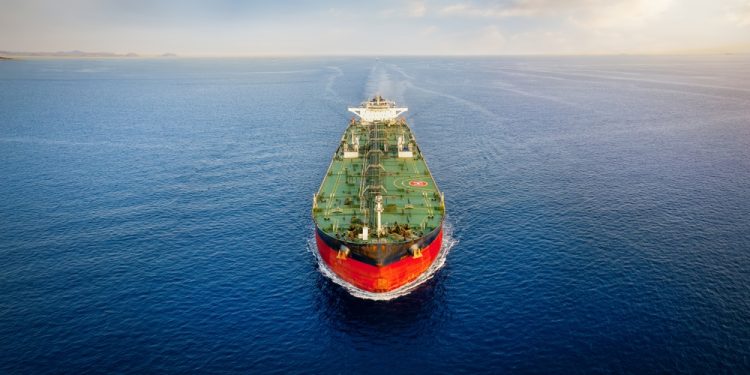
For the global merchant fleet, the consequences are becoming increasingly visible. Freight rates have surged as insurers impose higher war-risk premiums, while longer routes reduce the availability of ships and disrupt carefully planned schedules. Delays are now commonplace, and industries dependent on timely deliveries—ranging from manufacturing to food supply—are feeling the effects. Israeli importers and exporters, in particular, are facing higher costs and reduced reliability in shipping services.
Despite these pressures, Israel’s Mediterranean ports continue to function with a degree of resilience. Their relative distance from the most volatile areas has allowed them to maintain operations, supported by heightened security measures and naval oversight. However, their stability cannot fully compensate for the loss of efficient access to the Red Sea and the Suez Canal, both of which are essential for maintaining competitive trade links with Asia.
The implications of the crisis extend far beyond Israel. The Eastern Mediterranean and Red Sea form a vital bridge between continents, and disruptions in these waters are reverberating throughout global shipping networks. Analysts warn that if instability persists, the industry may undergo lasting structural changes, with companies permanently adjusting routes and accepting higher operating costs as the new normal.
In this evolving landscape, Israel’s maritime sector remains open but increasingly constrained, operating within a system where security risks, economic pressures, and geopolitical tensions are tightly intertwined.