The global container shipping industry is currently facing a significant transition. After several years of record-high profitability during the COVID-19 pandemic and the early stages of the Red Sea crisis, major carriers are now reporting a sharp decline in financial performance. Data from early 2026 indicates that the market is returning to a state of oversupply, putting pressure on the revenues of industry leaders like Maersk and Ocean Network Express (ONE).
Financial Downturn: Maersk and ONE Results
Recent reports highlight a difficult start to 2026 for the world’s largest shipping lines. The “extraordinary” earnings of the 2021–2022 period have ended, replaced by an environment of lower freight rates and high operational costs.
- Maersk’s Five-Year Low: According to El Mercantil, Maersk has recorded its poorest financial results in five years as of February 2026. The company’s “Ocean” segment has seen a significant drop in EBIT (Earnings Before Interest and Taxes) compared to the pandemic peak.
- ONE Revenue Trends: Ocean Network Express (ONE) reported in its FY2025 3rd Quarter results a steady decline in revenue. While the number of transported containers (TEUs) remains stable, the income earned per container has dropped significantly.
- The Oversupply Factor: Between 2024 and 2025, approximately 5 million TEU of new vessel capacity entered the market. This surge in supply has outpaced global demand, causing freight rates on the SCFI and FBX indices to fall by over 70% from their historical highs.
The Role of Financial Interest on Cash Reserves
A critical factor currently stabilizing the balance sheets of these carriers is the “interest income” generated from the billions of dollars earned during the pandemic years.
- Cash Accumulation: During 2021 and 2022, the container shipping industry accumulated an estimated $200 billion in cash reserves.
- Interest Income Support: Because global interest rates remained high through 2025, carriers are earning substantial income simply by holding this cash in banks or short-term investments.
- Profit Neutralization: In several recent quarterly reports, the financial interest earned on these cash reserves has helped offset losses from actual shipping operations. This means that while the Liner business may be struggling, the overall corporate balance sheet remains stable due to smart cash management from previous years.
Key Data
| Metric | Pandemic Peak (2021/22) | Current Status (Early 2026) |
| Average Freight Rates | $10,000+ per FEU | $1,500 – $2,500 per FEU |
| Fleet Capacity Growth | Low (Vessel Shortages) | High (Record Newbuilds) |
| Carrier Focus | Maximizing Volume | Cost Reduction & Efficiency |
- Freight Rates: Spot rates have stabilized at pre-pandemic levels, but operational costs (fuel and labor) are 20-30% higher than in 2019.
- Operating Margins: Industry-wide margins have compressed from over 40% during the crisis to single digits or near-zero in early 2026.
Forward-Looking Outlook: The Search for Stability
The outlook for the remainder of 2026 depends on how effectively carriers manage the current capacity surplus. The industry is moving away from the high-growth phase and into a period of strict cost discipline.
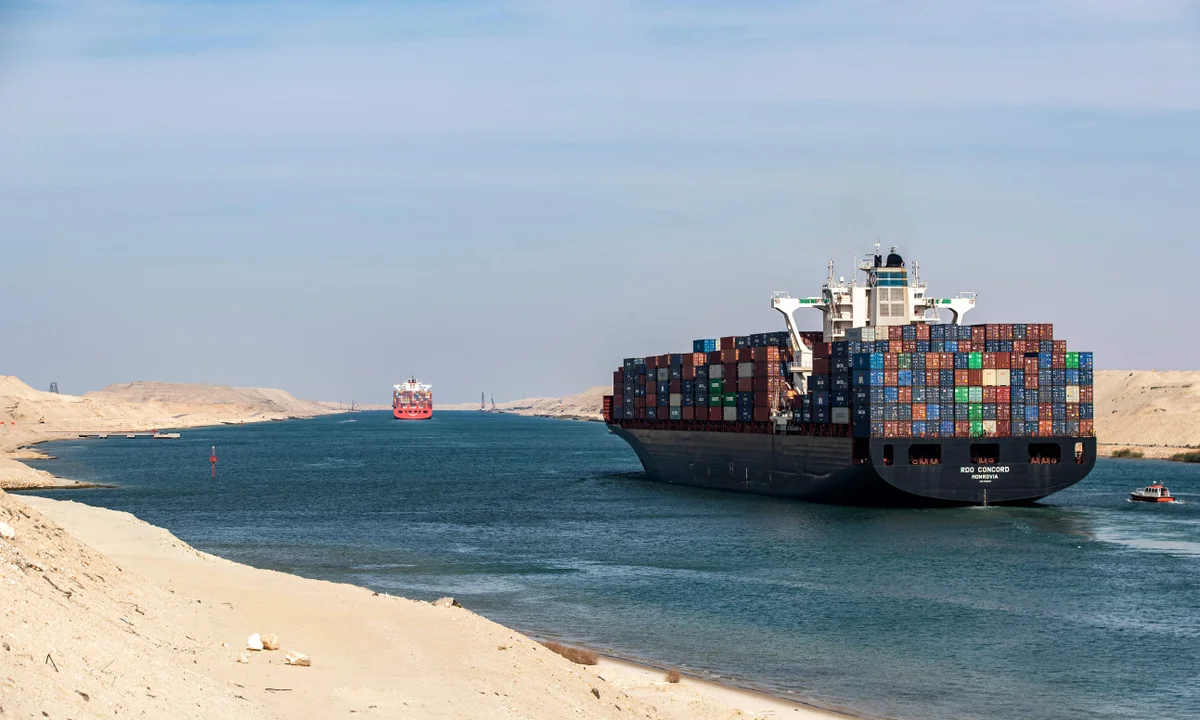
If the Red Sea routes fully reopen, the market will face even greater pressure as the “extra” ships currently diverted around Africa return to the standard Suez Canal route, creating further oversupply. Carriers will likely increase “blank sailings” and accelerate the scrapping of older, less efficient vessels to prevent rates from falling below break-even points.