
By Maritime Reporter — December 31, 2025
2025 has been a defining year for the global shipping industry — marked by geopolitical challenges, environmental commitments, technical innovation, and high-profile industry gatherings that shaped both crisis response and strategic direction. As the calendar turns to 2026, the legacy of this transformative period remains clear.
Red Sea Crisis and Maritime Security
One of the most consequential challenges of the year was the intensification of hostilities targeting commercial shipping in the Red Sea. Incidents such as the attack and sinking of the MV Eternity C underscored persistent security risks for international carriers, with lives lost and shipping routes disrupted. 
Industry response throughout 2025 included risk-adjusted routing — often via the Cape of Good Hope — and enhanced security protocols on high-risk corridors. These adjustments increased transit times and freight costs, fundamentally influencing global logistics and insurance premiums. With the geopolitical situation still unresolved at year’s end, carriers are preparing for continued adjustments to risk management and routing strategies in 2026.
High-Profile Maritime Events and Industry Collaboration
Despite turbulence, 2025 saw a robust calendar of maritime conferences and exhibitions that fostered international cooperation and spurred innovation:
• Nor-Shipping 2025 in Norway emphasized sustainability and future-proofing the industry, reinforcing calls for reduced CO₂ emissions and greener fleet strategies.
• Seatrade Maritime Logistics Middle East 2025 in Dubai brought focus to digitalization, supply chain integration, and regional logistics leadership.
• World Maritime Forum 2025 in Copenhagen advanced discussions on decarbonization, seafarer welfare, and cyber security.
• Germany, Greece, and the UK hosted additional forums that connected policymakers, operators, and technology innovators.
These gatherings accelerated cross-border collaboration and set the groundwork for practical policy and technology initiatives to take shape in 2026.
Safety, Regulatory Focus & Industry Recognition
Maritime safety and compliance continued to be priority themes. The industry saw renewed emphasis on transparency and regulatory alignment, including updates to reporting and cyber security protocols.
Awards such as Top Women in Maritime highlighted leadership driving change within the sector. Recognition of strong regulatory frameworks and leadership will help shape safer and more inclusive maritime ecosystems going forward.
Environmental Leadership and Decarbonization
Environmental stewardship became ever more central in 2025. Major carriers like CMA CGM received certifications for environmental performance, demonstrating tangible steps towards cleaner operations.
Meanwhile, industry bodies adopted new frameworks to support net-zero ambitions, though progress was tempered by geopolitical constraints and slower than desired adoption of alternative fuels.
These dynamics suggest that 2026 could be the year green fuel technologies — such as low-emission alternatives and carbon intensity measures — move from strategy to early commercial deployment.
Accidents and Incidents Driving Safety Reassessment
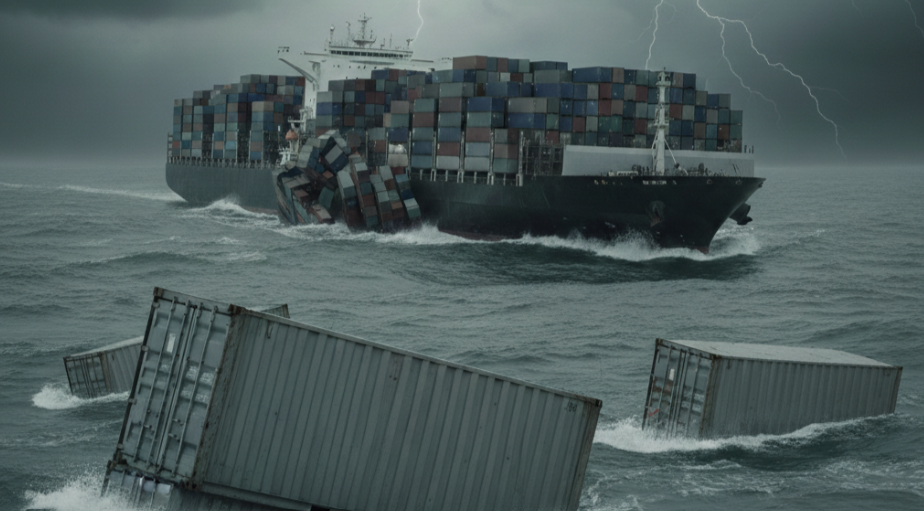
Several maritime accidents — including notable collisions and environmental incidents like the sinking of the MSC Elsa 3 off India — brought safety and ecological risk front and center.
In response, authorities and operators intensified safety audits and emergency readiness planning. The emphasis on incident prevention and emergency response infrastructure will likely spur new investments in maritime safety tech and protocols in 2026.
Conclusion: Entering 2026 with Purpose and Adaptation
Taken together, 2025 was a year that tested the resilience of global shipping. From geopolitical conflict and risk-adjusted routing to a renewed emphasis on sustainability and industry collaboration, the sector proved its capacity to adapt.
Looking ahead, the key trends emerging from 2025 — enhanced risk management, decarbonization pathways, regulatory modernization and digital transformation — will define shipping’s trajectory in 2026. For carriers, ports, regulators and logistics partners alike, the lessons of 2025 provide both cautionary signals and direction for strategic investment going forward.